Каждый полки для паллет, на которых хранится тонна товара в складе, изначально представлял собой цепь из плоских стальных труб. Между этой сырой цепью и готовой системой хранения, рассчитанной на грузоподъемность, проходит последовательность точных и тщательно контролируемых производственных операций: проектирование, формование, пробивание, сварка, обработка поверхности и строгий контроль качества. контроль качества. Понимание распоряжение складом Процесс производства показывает, почему некоторые системы стеллажей работают надежно в течение десятилетий, в то время как более дешевые и плохо изготовленные альтернативы деформируются, корродируют или ломаются при нагрузке.
Для всех тех, кто планирует, покупает или проектирует системы хранения, Знание того, как производятся детали, — это не просто техническая любознательность. Выбор, который производитель делает на каждом этапе — качество стали, точность линии для формирования рулонов, целостность сварных соединений, качество покрытия — напрямую определяет прочность, безопасность, а также срок службы поддонов, на которые вы в конечном итоге будете складывать продукцию. В этом руководстве подробно описана полная производственная цепочка использования стальных складирующих систем, шаг за шагом, и объясняется, почему каждый этап имеет значение для готового продукта.
Это начинается с инженерного проектирования и дизайна
До того как вообще будет резаться сталь, производственный процесс начинается на чертежной доске и в рамках комплексного расчета. Складские стеллажи — это конструктивный продукт: они должны безопасно и надежно нести тяжелые, зачастую динамические нагрузки год за годом в условиях интенсивного движения погрузчиков. Правильный выбор инженерных решений на начальном этапе — это основа всего остального.
Анализ нагрузки и инженерное проектирование
Первым шагом является определение того, что должен делать полка. Инженеры определяют требуемый грузоподъемный режим на уровне баков, в ячейках и на опорах, а также высоту, глубину и конфигурацию системы, которая должна обеспечивать эту нагрузку. Затем они рассчитывают стальные секции, размеры и схемы креплений, которые должны выдерживать эти нагрузки с соответствующей безопасной долей риска. Эти расчеты учитывают вес хранимых товаров, способ их распределения и силы, на которые полка оказывается во время погрузки, разгрузки и даже в случае землетрясений в регионах, где это возможно.
Эта стадия регулируется промышленные стандарты проектирования, в котором излагаются порядок определения и проверки пропускной способности. Реномеровую компанию при разработке учитывают признанные строительные нормы, а не полагаются на свои суждения относительно размеров, поскольку разница между надлежащим образом спроектированной системой хранения и некачественно построенной становится невидимой уже в тот момент, когда система начинает испытывать перегрузку. Инженерная разработка преобразует потребности заказчика в хранении в точные спецификации для каждого компонента.
Моделирование и прототипирование CAD
После определения структурных требований дизайнеры создают подробные CAD-модели каждого компонента: опоры, балки, арки, соединительные элементы, подставки и аксессуары. Эти модели указывают на точные профили, размеры и допускаемые отклонения, и они напрямую влияют на оборудование, которое будет изготавливать и резать сталь. Многие производители также производят прототипы или образцы первой партии для проверки конструкций на практике до начала полномасштабного производства. Именно здесь новые профили подставки проходят испытания, что гарантирует, что детали будут правильно соединяться и будут соответствовать прогнозам по расчетным параметрам.
Выбор и проверка сырья
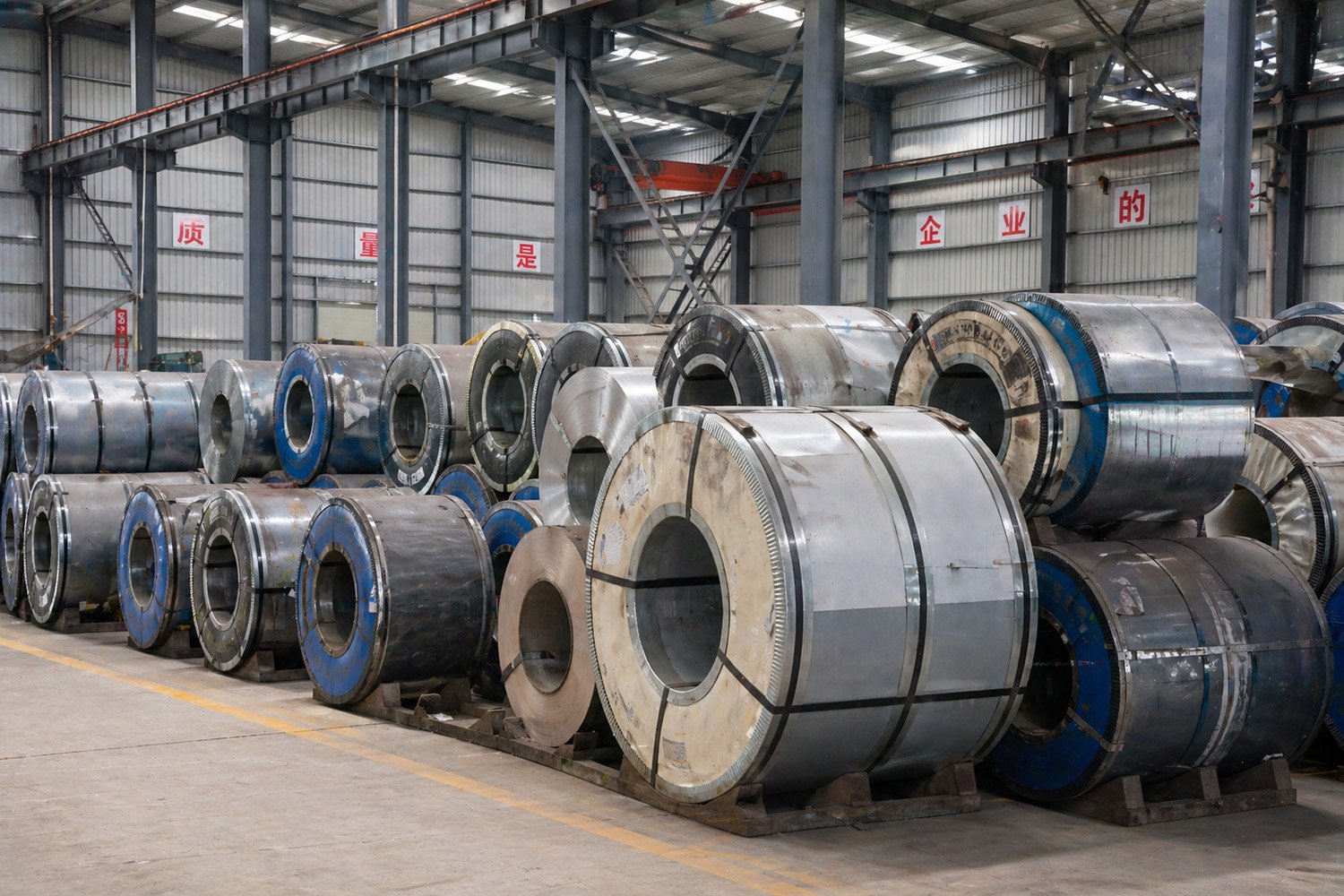
Достоинство поддонов определяется не только их конструкцией, но и материалом, из которого они изготовлены. Поддоны изготавливаются из высокопрочного стального профиля, который поступает в виде больших рулонов, и его качество и толщина выбираются в соответствии с проектной документацией.
Выбор правильного типа стали
Класс стали определяет его прочность — в частности, предельную прочность, то место, где она начинает деформироваться на постоянной основе. Сталь с повышенной прочностью позволяет производителю достичь заданной нагрузки при меньшем объеме материала, что обеспечивает прочную и эффективную конструкцию. Толщина или размер стали подбирается к роли каждого элемента: более прочные опоры и балки используют толщею стали, чем более легкие детали. Правильный выбор класса и размера стали имеет решающее значение, поскольку использование более тонкой или слабее прочной стали для экономии средств напрямую снижает прочностные характеристики конструкции даже при том, что готовая конструкция выглядит идентичной.
Инспекция поступающего материала
Прежде чем какие-либо катушки поступят в производство, производители, ориентированные на качество, проверяют и подтверждают качество поступающей стали. Это включает проверку соответствия сорта и толщины заказам, рассмотрение сертификатов поставщика и подтверждение того, что сталь свободна от дефектов. Установление факта наличия некачественной стали на этой стадии предотвращает возможность того, что дефектная продукция будет использована для изготовления компонентов, которые не пройдут проверку — или, что еще хуже, просойдут сквозь нее и ослабят готовый каркас. Здесь также важна возможность отслеживания: ведение учета того, какая сталь использовалась при изготовлении каждой партии, обеспечивает контроль качества на всех этапах от производства до конечного потребителя.
Формирование рулонов: сердце всего процесса
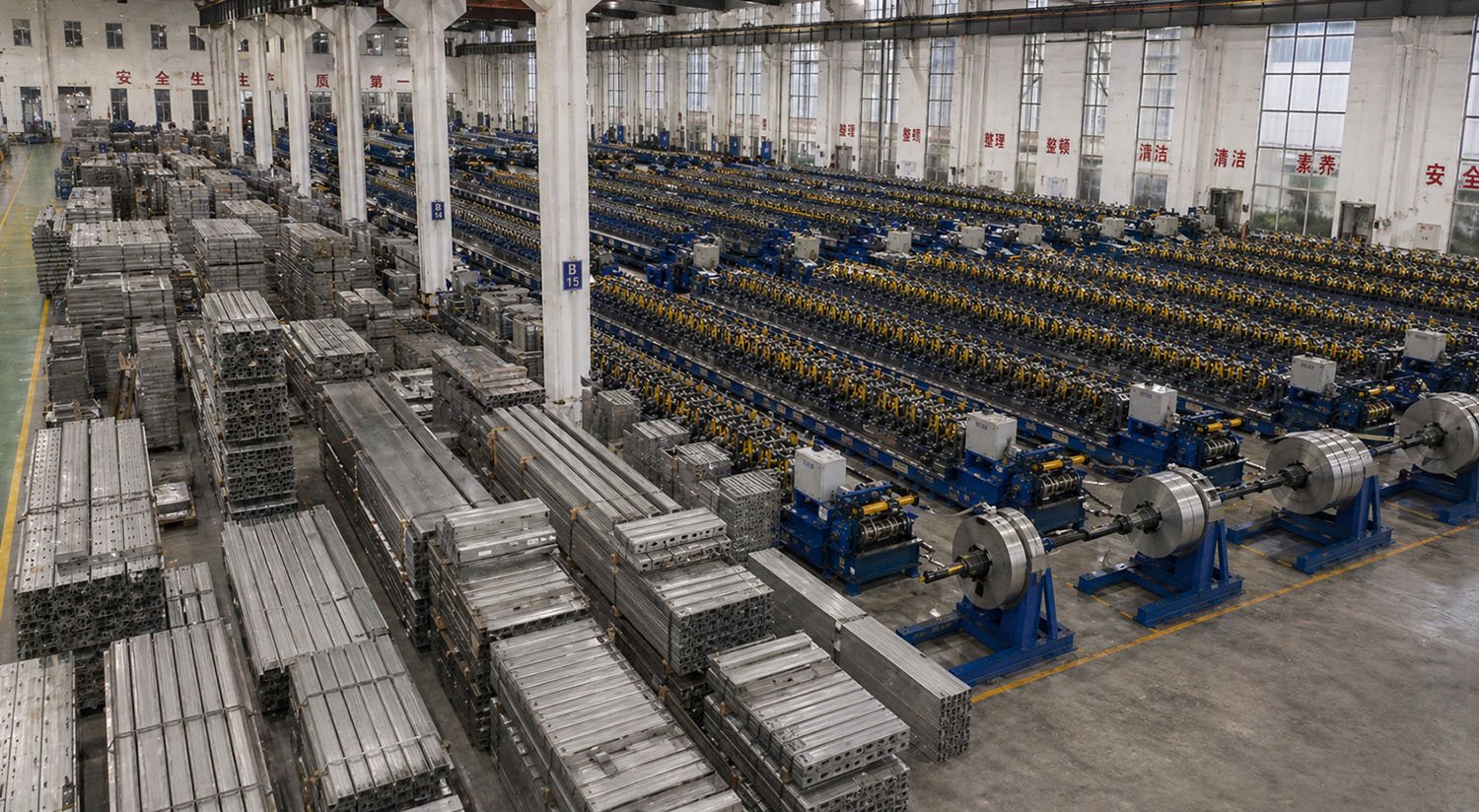
Формирование роликов является определяющим производственным процессом для большинства компонентов складских систем, и именно здесь из плоской стали начинают формироваться узнаваемые формы опор и балок. Эта технология пользуется популярностью, поскольку позволяет создавать стабильные профили высокой прочности с высокой скоростью и массовым производством.
Отделка и разрез
Производство начинается с подачи стальной конической рулона в раздвигатель, который раздвигает его на непрерывный плоский лист. В зависимости от линии производства, конус сначала разрезается на нужный размер, чтобы сформировать требуемую для конкретной детали часть. Затем этот непрерывный лист подается на роллетную машину, готовый к дальнейшему формованию.
Формирование профиля
В производственной линии для рулонного профилирования плоская полоса проходит через ряд парных роторов, расположенных в последовательном порядке. Каждый пара роторов немного изогнувает сталь, постепенно превращая плоскую полосу в сложный профиль поперечного сечения колонны или несущей балки. Поскольку сталь формируется холодно и постепенно, а не в результате одного резкого изгиба, рулонная профилировка сохраняет прочность стали и обеспечивает чистые, точные и повторяемые профили. Форма этих профилей разработана с учетом прочности конструкций — например, складки, изгибы и фаски в колонне обеспечивают ее прочностные характеристики.
Главное преимущество ролковой формовки заключается в ее стабильности на больших масштабах: как только линия налажена правильно, она может выпускать тысячи идентичных деталей с точностью размеров. Взамен этого необходимо учитывать специфику каждого профиля, поэтому ролики должны быть точно настроены и регулярно обслуживаться. Надежная ролковская линия — это один из самых четких признаков серьезного производителя систем стеллажей.
Пробивание и перфорация
Важная особенность паллетовые системы хранения это схема отверстий или прорезов, выполненных в вертикальных колоннах, что позволяет размещать и регулировать опоры на разных высотах. Эта обработка часто интегрируется в линию для рулонного формования, где прессы перфорируют полосу с точностью заданных интервалов, либо перед формованием, либо во время его проведения. Точность этой схемы отверстий имеет решающее значение: прорезы должны быть идеально расположены, чтобы соединительные элементы опоры плотно фиксировались, а система оставалась бы регулируемой. Несмещенная или несогласованная обработка затрудняет сборку и может привести к повреждению соединения между опорами и колоннами, поэтому точность на этом этапе имеет решающее значение для качества сборки готового поддонов и их прочности при нагрузке.
Резание на длину
Когда сформированный и продольный профиль выходит из линии, он нарезается на требуемую длину, обычно с помощью автоматического перереза, который отсекает движущийся стальной лист без остановки линии. Это позволяет получить отдельные вертикальные колонны, секции балясин и опоры с точностью до нужной длины, готовые к дальнейшим этапам. Точное резание гарантирует, что каркасы будут находиться в нужном положении, а балясины будут иметь нужную ширину, что имеет решающее значение для надежности и распределения нагрузки.
Сварка и изготовление деталей
В то время как балки часто представляют собой единичные, сформированные в рулоне детали с фитингами на концах, стальные каркасы Это сборки, которые необходимо сварить вместе. Сварка и сборка являются этапами, в ходе которых отдельные сформированные детали превращаются в структурные подсистемы, определяющие систему стеллажей.
Assembling Upright Frames
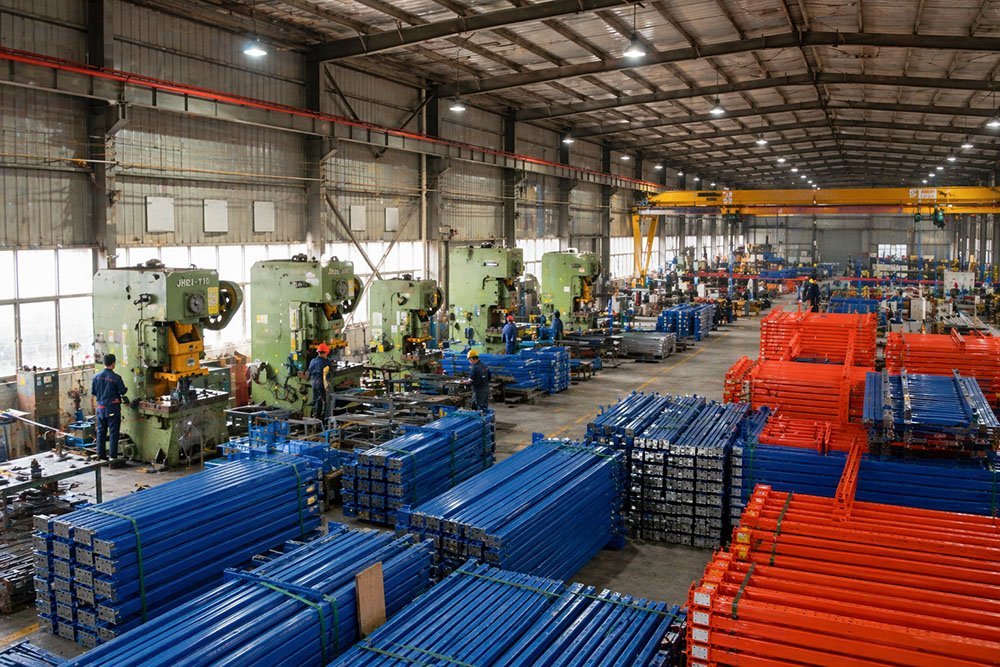
An upright frame consists of two vertical columns joined by horizontal and diagonal braces. In fabrication, these components are positioned in jigs or fixtures that hold them in precise alignment, then welded at every joint. The bracing pattern—engineered during the design phase—is critical to the frame’s rigidity, so the welds that connect braces to columns must be strong and consistent. A frame is only as reliable as its welds; a poor weld at a brace joint becomes a weak point under load.
Welding Beam Connectors
Load beams are fitted with connectors—the brackets or end plates that slot into the upright punching to join beams to frames. These connectors are welded to the ends of each beam, and the strength of this weld is one of the most safety-critical aspects of the whole system, because the beam-to-upright connection carries the full load of the stored pallets. Manufacturers pay close attention to weld quality here, ensuring full, sound welds that won’t crack or pull away under the stresses of daily use.
Welding Methods and Automation
Quality racking manufacturers increasingly use robotic and automated welding for consistency. Robotic MIG welding applies the same precise, repeatable weld to every joint, eliminating the variability of manual work and producing uniform strength across thousands of parts. Automated welding also improves speed and lets the manufacturer document and control weld parameters. Where manual welding is used, skilled welders and clear standards are essential. Either way, the goal is the same: strong, clean, consistent welds that hold the structure together under load for the life of the rack.
Surface Treatment and Finishing
Once components are formed, welded, and assembled, they undergo surface treatment and finishing. This stage isn’t just cosmetic—the finish protects the steel from corrosion and wear, directly affecting how long the racking lasts, especially in humid, cold, or chemically demanding environments.
Cleaning and Pretreatment
Before any coating is applied, parts must be thoroughly cleaned. Surface treatment lines degrease the steel to remove oils from forming and welding, then apply a chemical pretreatment—often a phosphate or similar conversion coating—that cleans the surface further and creates a profile the finish can grip. This preparation is what makes the coating adhere properly and resist peeling or chipping later. Skipping or skimping on pretreatment is a common shortcut that leads to premature coating failure, so good manufacturers treat this step as essential rather than optional.
Powder Coating
The most common finish for warehouse racking is powder coating. In this process, a dry powder—typically an electrostatically charged polymer—is sprayed onto the grounded steel parts, where it clings evenly to every surface, including edges and recesses. The coated parts then pass through a curing oven, where heat melts and fuses the powder into a tough, continuous, hard-wearing layer. Powder coating produces a durable, attractive finish that resists scratches, chemicals, and corrosion far better than conventional liquid paint, and it does so without the solvent emissions of wet painting, making it cleaner for the environment as well.
The thickness and uniformity of the powder coating influence both appearance and protection, and reputable manufacturers monitor coating thickness as part of their quality control. The familiar consistent color and smooth finish of quality racking comes from a well-run powder-coating line.
Alternative Finishes
For especially harsh conditions—high humidity, outdoor exposure, cold-store environments, or corrosive atmospheres—manufacturers may use galvanizing instead of or in addition to powder coating. Galvanizing applies a protective zinc layer that offers excellent long-term corrosion resistance. The choice of finish is matched to the rack’s intended environment, with standard powder coating serving most indoor warehouses and heavier protection reserved for demanding applications.
Quality Control and Testing
Throughout and after manufacturing, quality control verifies that the racking meets its engineered specifications. Because racking is a safety-critical structural product, thorough testing isn’t a formality—it’s what separates trustworthy systems from dangerous ones.
Dimensional and Visual Inspection
Inspectors check that formed profiles, hole patterns, and cut lengths match the design tolerances, and that welds are complete and sound. Components are examined for defects, correct dimensions, and proper assembly. Catching a dimensional error here prevents parts that won’t fit together or won’t carry their rated load from reaching the customer. Consistent dimensions are also what allow components from different production runs to remain compatible.
Load and Performance Testing
Beyond measuring parts, manufacturers verify structural performance. This can involve physically load-testing representative beams and frames to confirm they carry their rated capacities with the required safety margin, and validating that real-world performance matches the engineering calculations. Testing components to failure or to a multiple of their rated load demonstrates that the design and manufacturing together deliver the promised strength. This evidence underpins the load ratings printed on a rack’s capacity plate.
Coating and Material Verification
Quality programs also check the finish—measuring coating thickness and adhesion and confirming corrosion resistance—and verify that the correct steel grade was used throughout. Together with documentation and traceability, these checks confirm that what leaves the factory matches what was engineered and ordered. A manufacturer with a robust quality system can stand behind its load ratings with confidence.
Packaging and Delivery
The final manufacturing stage prepares the finished components for transport and installation. Racking is typically shipped knocked-down—as separate uprights, beams, braces, and accessories—rather than pre-assembled, which is far more efficient to ship and easier to install on site. Components are bundled, protected, and labeled so they arrive undamaged and can be identified and assembled correctly.
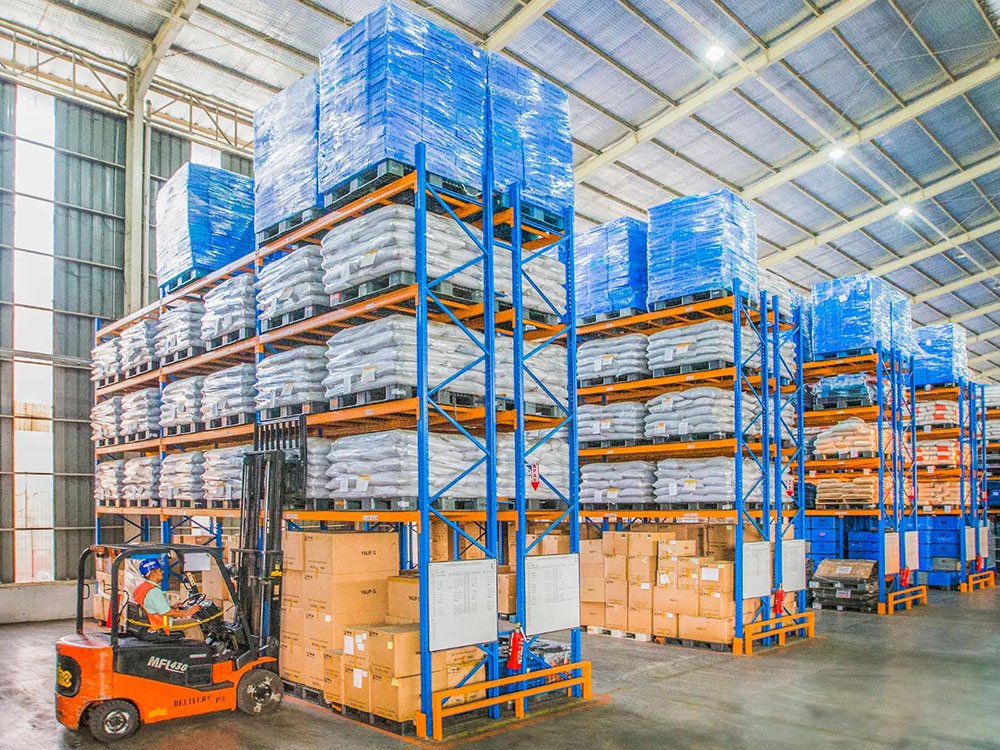
Good packaging protects the powder-coated surfaces from scratches and the steel from damage in transit, and clear labeling and documentation help installers put the system together accurately. Although it comes at the end, careful packaging preserves all the quality built into the earlier stages, ensuring the racking reaches the warehouse in the condition it left the factory.
Standards, Compliance, and Why the Process Matters
Running through every stage of manufacturing is the question of compliance with recognized standards. Racking is designed, made, and tested against structural codes that define how loads are calculated, how components must perform, and how capacities are verified. Manufacturing to these standards is what gives a load rating its meaning—it signals that the rack has been engineered and built to carry what its capacity plate claims, with a proper margin of safety.
This is ultimately why the manufacturing process matters so much to the buyer. Two racks can look nearly identical on a showroom floor, yet differ enormously in the steel grade used, the accuracy of the roll forming, the integrity of the welds, the thoroughness of the surface treatment, and the rigor of the quality control behind them. Those differences don’t show until the rack is loaded, struck by a forklift, or exposed to a humid environment over years of service—at which point a well-made rack performs and a poorly made one fails.
When evaluating a racking supplier, it’s worth looking past the price tag to the process behind the product. A manufacturer that engineers to recognized standards, sources verified steel, runs precise roll-forming and welding operations, applies proper surface treatment, and tests its products thoroughly is selling more than steel—it’s selling reliability and safety. Understanding the manufacturing journey equips a buyer to ask the right questions and recognize quality that goes deeper than appearance.
Automation and Technology in Modern Racking Production
The way warehouse racking is manufactured has steadily modernized, and the level of automation in a factory is now one of the clearest indicators of the consistency a buyer can expect. Modern roll-forming lines are computer-controlled, with the feed rate, punching intervals, and cutoff lengths set and monitored electronically. This automation removes much of the variability that once came with manual setup, so the ten-thousandth upright off a line matches the first one within tight tolerances.
Robotic welding cells have transformed fabrication in particular. A programmed welding robot applies an identical weld to every joint, with consistent heat, speed, and bead placement that a human welder simply cannot match across thousands of repetitions. This matters enormously for a structural product, because the weld at a beam connector or a brace joint is exactly where strength is won or lost. Automated handling between stages also reduces the risk of parts being scratched, mismatched, or damaged as they move through the factory.
Beyond the machinery itself, manufacturers increasingly use digital design and production data to tie the whole process together. CAD models feed directly into forming and cutting equipment, reducing the chance of transcription errors, while production tracking links each batch back to its steel certificates and quality records. The cumulative effect of this technology is racking that is more consistent, more accurately dimensioned, and more reliably load-rated than what less automated production can achieve. When a system goes together cleanly on site and carries its rated load with confidence, much of the credit belongs to the precision of the factory that built it.
Sustainability and Material Efficiency
Modern racking manufacturing also gives growing attention to material efficiency and environmental impact, and these considerations increasingly overlap with quality. Steel is the dominant material in racking, and it is highly recyclable, so the industry sits within a well-established recycling loop—offcuts and end-of-life racking can be melted down and returned to production rather than discarded. Manufacturers that minimize scrap during slitting, forming, and cutting both reduce waste and use their raw material more efficiently, which keeps costs and environmental footprint in check.
The shift to powder coating reflects this trend as well. Because powder coating uses no solvents and produces very little waste—overspray can often be reclaimed and reused—it is a cleaner finishing process than traditional liquid painting, with lower emissions. Designing racking that achieves its required strength with the most efficient use of steel, rather than simply adding material, is another form of efficiency that good engineering delivers: a well-engineered profile carries its rated load without wasting steel.
For buyers, these factors aren’t only about environmental responsibility. Efficient material use and durable finishes also signal a manufacturer that controls its process tightly, and a rack built to last and to resist corrosion serves longer before it ever needs replacing—the most fundamental form of sustainability there is.
Заключение
The warehouse racking manufacturing process is a chain of precise, interdependent steps, and the strength of the finished system depends on every link. It starts with sound engineering and verified steel, takes shape through accurate roll forming and punching, gains its structure through strong welding and fabrication, earns its durability through proper surface treatment and powder coating, and proves itself through disciplined quality control and testing—before being packaged to arrive ready for safe installation.
For a warehouse owner or designer, the lesson is clear: the racking that will hold your inventory, protect your team, and serve your operation for years is the product of dozens of decisions made long before it arrives on site. Appreciating how that racking is made is the best way to choose a system you can trust under load, day after day, for the full life of your warehouse.
 English
  Spanish
  Arabic
  Tagalog
  Korean
  Russian
  Thai
Thai  Japanese
  Indonesian
  Portuguese
  French
  Chinese